Introduction
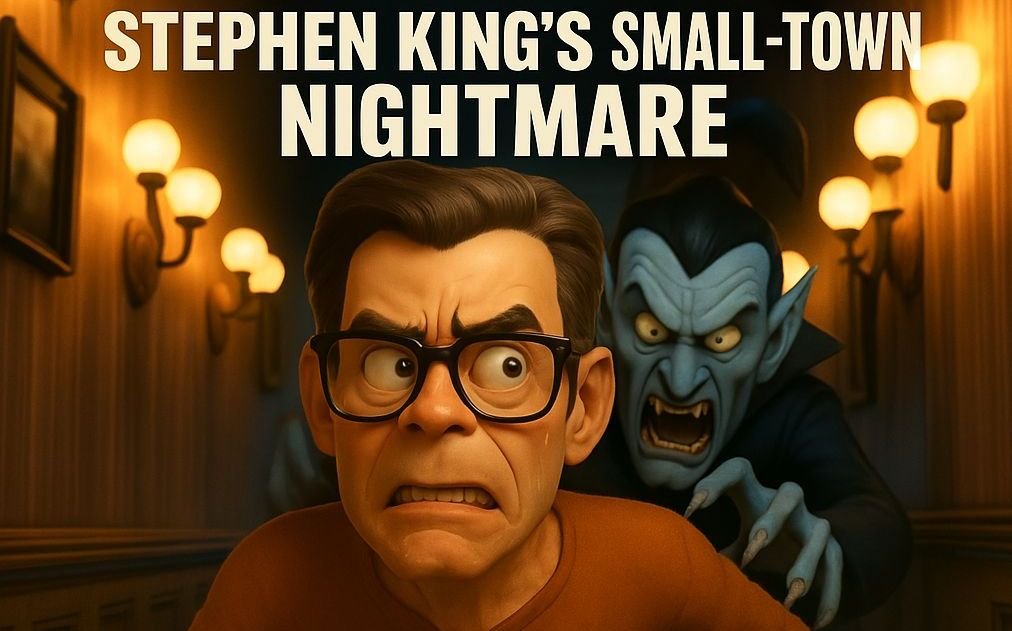
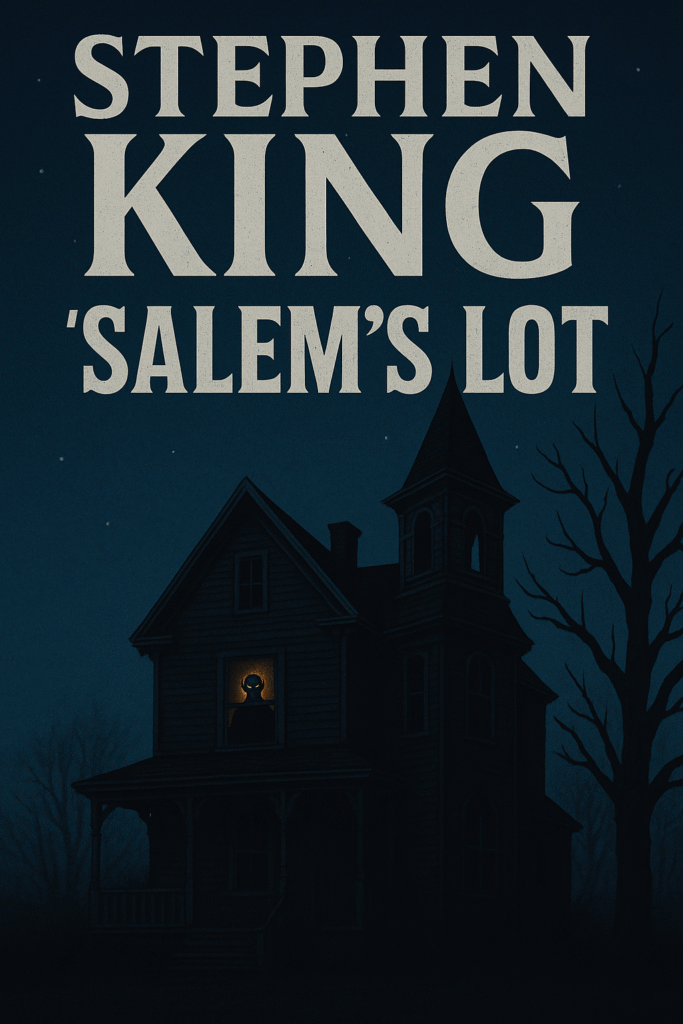
In 1975, Stephen King took a sharp left turn from haunted hotels and gave us something far more sinister: a sleepy Maine town quietly overrun by vampires. ‘Salem’s Lot wasn’t just King’s second novel—it was the one that confirmed he wasn’t a one-hit horror wonder. Instead, he was something far more dangerous: a voice that would change the genre forever.
What Is ‘Salem’s Lot Really About?
At its core, ‘Salem’s Lot is a vampire novel. But it’s also much more than that. It’s a story about decay—of people, of places, of values. King takes the classic Dracula myth and injects it into the quiet, crumbling heart of small-town America.
The book follows writer Ben Mears, who returns to the town of Jerusalem’s Lot (or ‘Salem’s Lot, as the locals call it) to confront his childhood fears. But what he finds waiting isn’t just bad memories—it’s Kurt Barlow, an ancient vampire, and his servant Straker. As Barlow feeds, the town falls under his spell, one neighbor at a time.
From Dracula to Derry: King’s Inspiration
Stephen King has always been candid about where his stories come from, and ‘Salem’s Lot was born out of a simple “what if”:
What if Dracula came to a small New England town?
The novel is a direct homage to Bram Stoker’s Dracula, but grounded in King’s signature realism. The monsters are fantastical, but the people are painfully real—teachers, priests, kids, drunks, and retirees. Their weaknesses, secrets, and fears are what make the novel so effective. The vampires aren’t just feeding on blood—they’re feeding on denial, guilt, and loss.
A Slow, Creeping Horror
King doesn’t rush into the horror in ‘Salem’s Lot. Instead, he lets it build like a storm on the horizon. Strange things begin happening—a missing dog, a sick child, strange lights in the woods. Then, slowly, the townspeople start to disappear. And when they return, they’re… different.
By the time the full scope of the horror is revealed, the reader is deeply invested in both the characters and the town itself. That’s what makes it so devastating when it all begins to fall apart.
Adaptations and Cultural Legacy
- 1979 TV Miniseries – Directed by Tobe Hooper (The Texas Chain Saw Massacre), this version gave us one of the most iconic vampire visuals ever: a boy floating outside a foggy window, scratching to be let in.
- 2004 Miniseries – A darker, more updated adaptation starring Rob Lowe.
- 2024 – Remake starring Lewis Pullman and Makenzie Leigh and directed by Gary Dauberman
But even without screens, the novel itself continues to chill. Over the years, characters like Kurt Barlow and Father Callahan have appeared in other King works (The Dark Tower series, for instance), and the haunted town of ‘Salem’s Lot has become part of the larger mythos King has built across his career.
Why ‘Salem’s Lot Still Matters
Decades later, ‘Salem’s Lot still holds up—not just because of its terrifying vampires, but because it understands the real horror: the quiet death of a community, the erosion of trust, and the helplessness of watching it happen.
This is a novel about ordinary people facing extraordinary darkness—and not all of them make it. That emotional honesty is what gives the story its bite.
Final Thoughts
So if you’ve never read ‘Salem’s Lot, or it’s been a while since you’ve returned to that dark little town in Maine, do yourself a favor: turn down the lights, open the book, and let the shadows in. Just… maybe keep a cross nearby. You never know who might be knocking on your window.
Have you read ‘Salem’s Lot? What’s your favorite moment—or vampire—from the story? Share your thoughts in the comments below!